
Flooring Systems Engineered for Harsh Chemical Environments
Research facilities require flooring systems that support cleanliness, safety, durability, and operational efficiency. Whether conducting scientific research, product testing, pharmaceutical development, or laboratory analysis, the flooring system plays a critical role in maintaining a controlled environment where accuracy and reliability are essential.
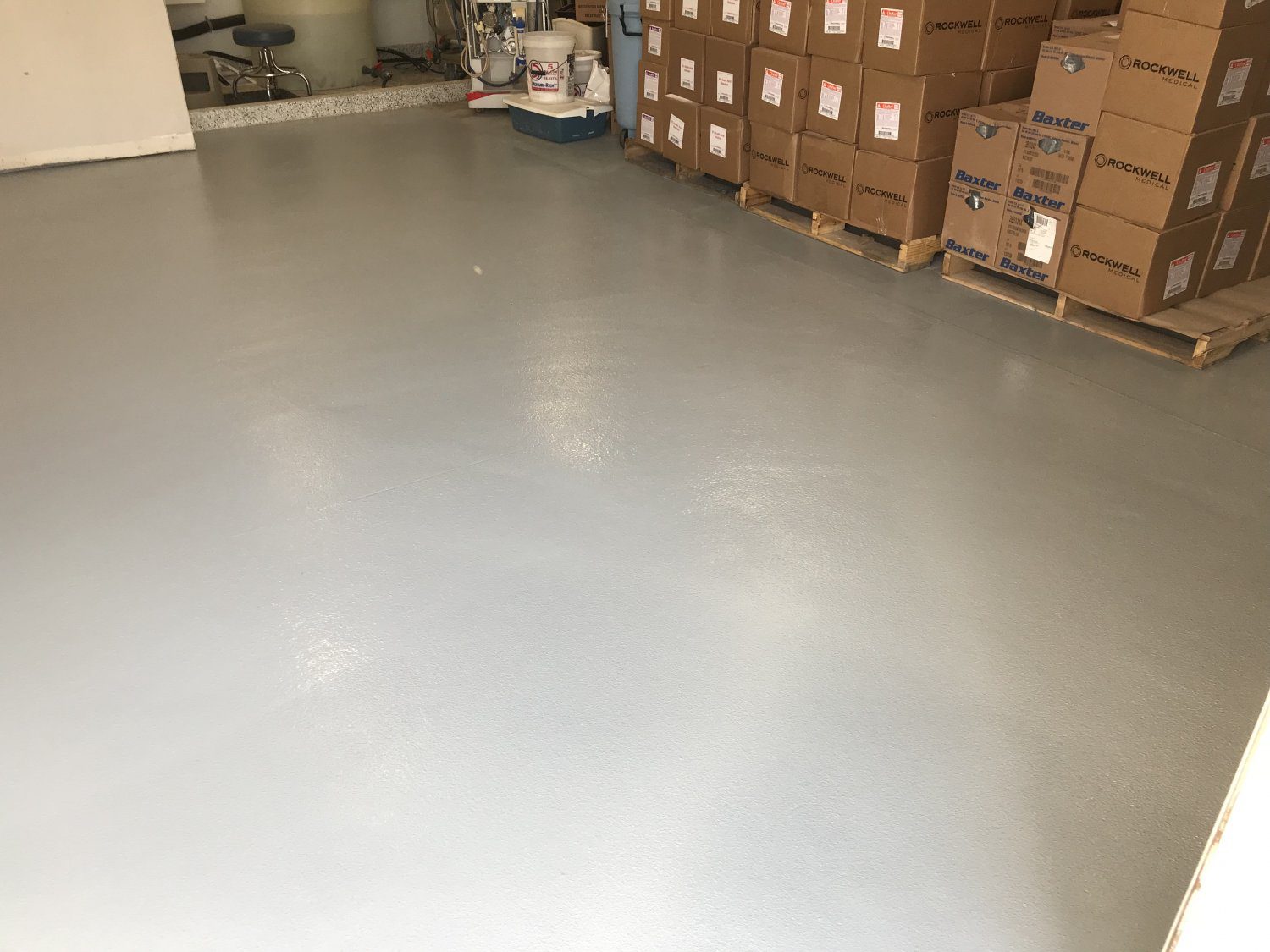
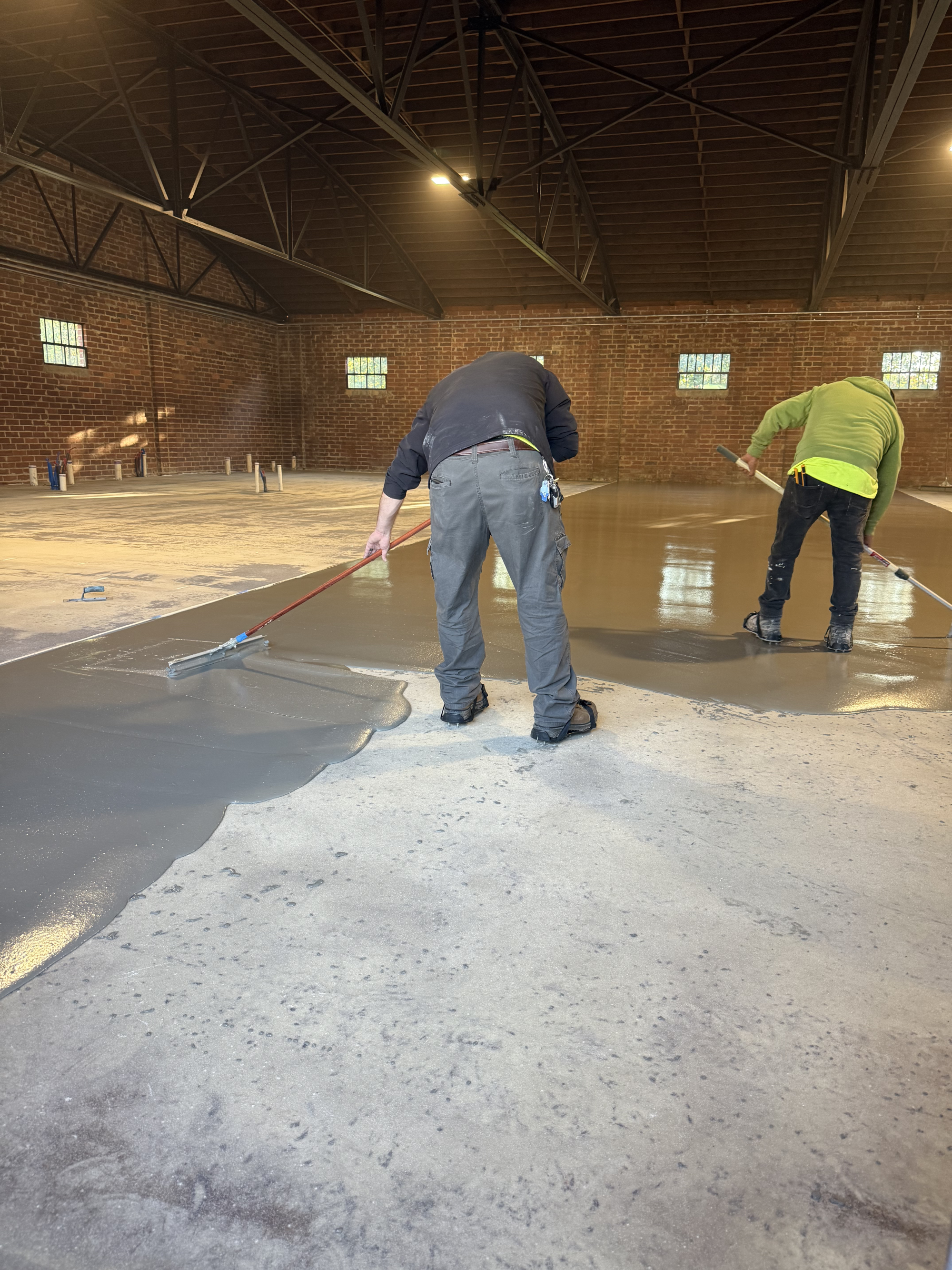
Why Flooring Matters in Research Facilities
Exposure to corrosive chemicals and acids
- Thermal shock from temperature fluctuations
- Heavy equipment and vehicle traffic
- Mechanical impact and abrasion
- Spill containment concerns
- Workplace safety requirements
- Continuous production operations
The right flooring system helps protect facility assets while supporting efficient and safe operations.
Key Considerations When Choosing Flooring for a Research Facility
Research environments often have specialized requirements that standard commercial flooring systems cannot meet.
Flooring Solutions for Research Environments
Dura-Cote offers high-performance flooring systems designed to meet the unique requirements of research facilities and laboratory environments.
Popular solutions include:
- Epoxy Flooring Systems
- Urethane Cement Flooring
- MMA Acrylic Flooring Systems
- Chemical-Resistant Coatings
- Conductive Flooring Systems
- Electrostatic Dissipative (ESD) Flooring
- Seamless Resinous Flooring Systems
Each flooring system can be customized to support the specific needs of your facility and research applications.
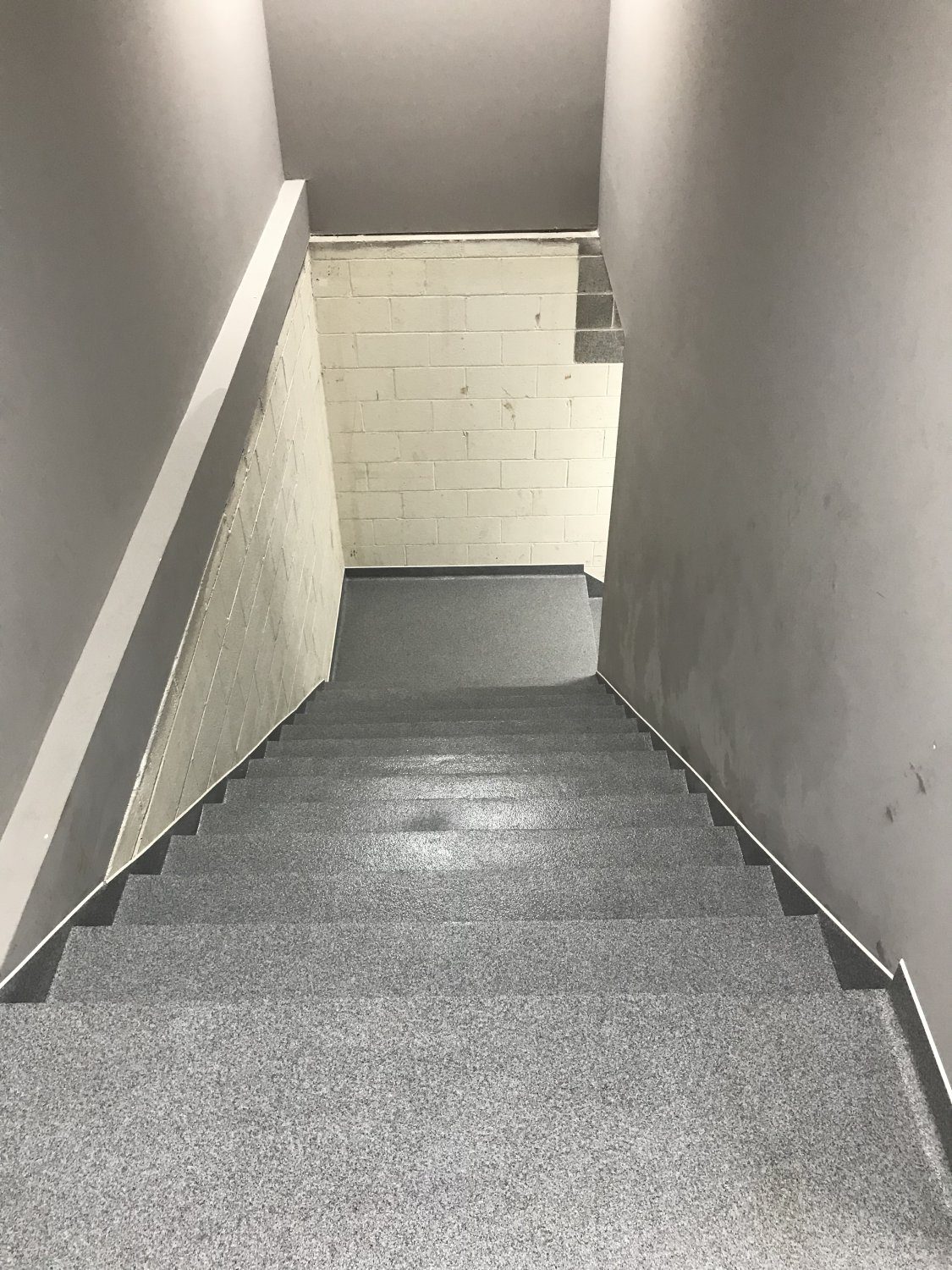
Support Your Research Environment With Confidence
Whether you're building a new laboratory, upgrading a testing facility, or renovating an existing research space, Dura-Cote can help you identify the right flooring solution for your operational requirements.